
A rubber mallet is a versatile hand tool used across woodworking, construction, automotive work, and DIY projects. Unlike metal hammers, rubber mallets deliver force without damaging surfaces, making them ideal for tasks that require controlled impact. If you are wondering what is the best rubber mallet, the answer depends on how and where you plan to use it. This guide explains what makes a rubber mallet effective and how to choose the right one for your needs.
What Is a Rubber Mallet Used For?
Rubber mallets are commonly used for assembling furniture, tapping tiles into place, adjusting machinery parts, installing flooring, and working with delicate materials. Because the rubber head absorbs shock, it minimizes surface marks and reduces rebound. This makes rubber mallets especially useful in applications where precision and surface protection matter.
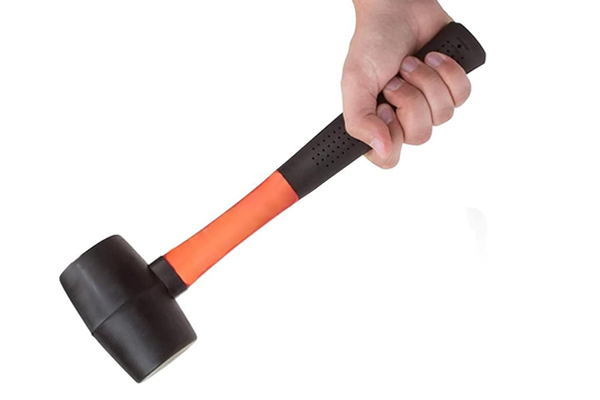
Key Factors That Define the Best Rubber Mallet
1. Head Material and Hardness
Not all rubber mallets are made the same. The best rubber mallets are made from high-quality rubber compounds that provide the right balance between softness and firmness. Softer heads are ideal for delicate tasks like tile placement, while harder rubber offers more driving force for heavier applications.
Some mallets use dual-face designs, combining soft and hard rubber faces to increase versatility.
2. Weight and Size
Rubber mallets typically range from 8 ons 32 ons or more. Lightweight mallets offer better control for precision tasks, while heavier mallets deliver more impact with less effort. The best rubber mallet is one that feels balanced in your hand and matches the level of force required for your work.
For general-purpose use, a 16-ounce rubber mallet is often considered the ideal middle ground.
3. Handle Design and Comfort
An ergonomic handle significantly improves comfort and control. Handles made from fiberglass, steel with rubber grips, or reinforced wood reduce vibration and improve durability. Non-slip grips help prevent accidents and reduce hand fatigue during prolonged use.
A well-balanced handle-to-head ratio is another key feature of a high-quality rubber mallet.
4. Durability and Build Quality
The best rubber mallet should withstand repeated use without cracking, deforming, or separating from the handle. Look for mallets with securely bonded heads and reinforced handles. High-quality construction ensures consistent performance over time, especially in professional or industrial settings.
Types of Rubber Mallets
Understanding different types helps you identify the best option:
-
Standard rubber mallet: Suitable for general household and DIY tasks
-
Dead blow rubber mallet: Filled with shot to reduce rebound and increase control
-
Soft-face mallet: Designed for delicate surfaces such as finished wood or tile
-
Hard rubber mallet: Better for heavier-duty applications
Each type serves a specific purpose, and the best rubber mallet depends on your application.
Choosing the Best Rubber Mallet for Your Needs
When selecting a rubber mallet, consider the materials you’ll be working with, the amount of force required, and how often you’ll use the tool. For DIY users, a mid-weight standard rubber mallet with a comfortable grip is usually sufficient. Professionals may benefit from dead blow or dual-face mallets that offer greater control and versatility.
Maintenance and Care Tips
To extend the life of your rubber mallet, keep it clean, store it away from extreme heat, and avoid using it on sharp metal edges. Proper care ensures consistent performance and longer tool life.
Konklizyon
Se konsa, what is the best rubber mallet? The best choice combines the right head hardness, appropriate weight, ergonomic handle, and durable construction. For most users, a well-made 16-ounce rubber mallet offers the perfect balance of power and control. By selecting a rubber mallet suited to your specific tasks, you ensure safer work, better results, and long-lasting performance.
Post time: Jan-17-2026