
We’ve all been there: staring down a wall marred by imperfections, a half-finished DIY project stalled by the need to remove wallpaper or scrape off stubborn paint. In these moments, the right tool can make all the difference. Enter the humble putty knife scraper, a versatile warrior in the battle against uneven surfaces.
But with rows of putty knives and scrapers lining store shelves, choosing the perfect one can feel overwhelming. This guide will equip you with the knowledge to select the ideal putty knife scraper for any scraping challenge.
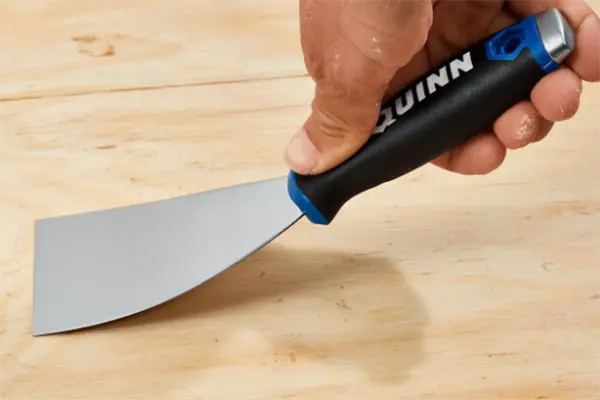
Understanding Your Scraping Battlefield: Choosing the Right Putty Knife Scraper
Putty knife scrapers come in a variety of shapes, sizes, and materials, each suited for specific scraping tasks. Here’s a breakdown of the key factors to consider:
Blade Material:
- Stainless Steel: The go-to choice for most scraping tasks. Stainless steel offers a good balance of flexibility and strength, making it ideal for removing wallpaper, putty, and loose paint.
- High-Carbon Steel: A stiffer option for heavy-duty tasks. High-carbon steel blades excel at scraping away tough materials like thick paint, adhesives, and even floor coverings. However, their rigidity makes them more prone to bending or breaking if used for delicate tasks.
- Plastic: A flexible and affordable option for light-duty scraping. Plastic blades are perfect for removing spackle or smoothing out joint compound, but they won’t hold up against tougher materials.
Blade Size and Shape:
- Width: The width of the blade determines how much surface area you can cover in each scrape. Wider blades (typically 3-6 inches) are ideal for large areas like walls, while narrower blades (1-2 inches) offer more control for delicate tasks or tight corners.
- Shape: The most common shapes are rectangular and taping. Rectangular blades are versatile for general scraping tasks. Taping knives, with their wider, tapered design, are specifically designed for smoothing out joint compound and drywall seams.
Handle Design:
- Comfort is key: You’ll be wielding this tool for extended periods, so a comfortable handle is crucial. Look for handles that are ergonomically designed and provide a good grip. Soft grips can add an extra layer of comfort, especially during long scraping sessions.
- Tang: The tang is the metal part of the blade that extends into the handle. A full tang provides superior strength and stability, especially important for heavy-duty scraping.
Specialization is Key: A Putty Knife Scraper for Every Task
Now that you’re armed with the basic knowledge, let’s explore some specific putty knife scraper options for various tasks:
- Wallpaper Removal: For this delicate task, a wide (4-6 inch) stainless steel blade with a slight flex is ideal. A plastic scraper can also be a good option, especially for removing pre-pasted wallpapers.
- Drywall Repair: A taping knife with a wide, flexible blade (around 6 inches) is your best friend for smoothing out joint compound and achieving seamless drywall finishes.
- Paint Scraping: Here, the choice depends on the paint type. For loose or peeling paint, a stainless steel blade with moderate flexibility (3-4 inch width) works well. For tougher, well-adhered paint, a stiffer high-carbon steel blade might be necessary.
- Delicate Scraping: For tasks like removing spackle or smoothing out blemishes, a small (1-2 inch) plastic or flexible stainless steel blade offers more control and prevents damage to the underlying surface.
Beyond the Basics: Pro Tips for Putty Knife Scraper Use and Care
So, you’ve chosen your weapon. Here are some additional tips to maximize your scraping success:
- Sharpen Your Blade: A dull blade will require more force and can damage the surface. Regularly sharpen your scraper using a sharpening stone or honing steel.
- The Right Angle Matters: Hold the scraper at a low angle (around 30 degrees) for optimal control and leverage.
- Work in Sections: Tackle scraping projects in manageable sections to avoid overwhelming yourself or creating uneven surfaces.
- Clean Up Regularly: Remove debris from the blade frequently to prevent scratches and ensure a smooth scraping experience.
- Store it Right: When not in use, store your putty knife scraper in a safe place to prevent damage to the blade or injury.
By following these tips and choosing the right tool for the job, you’ll transform your putty knife scraper from a simple tool into a powerful ally in your DIY endeavors.
Post time: Apr-11-2024