
Adhesive spreaders are specialized hand tools designed to evenly distribute adhesives across surfaces before bonding materials together. They are commonly used in flooring installation, tile work, woodworking, countertop fabrication, and various construction applications. By ensuring uniform adhesive coverage and consistent thickness, adhesive spreaders help improve bond strength, reduce material waste, and enhance overall installation quality.
Understanding what adhesive spreaders are and how they function is essential for professionals and DIY users who want precise, durable results.
How Adhesive Spreaders Work
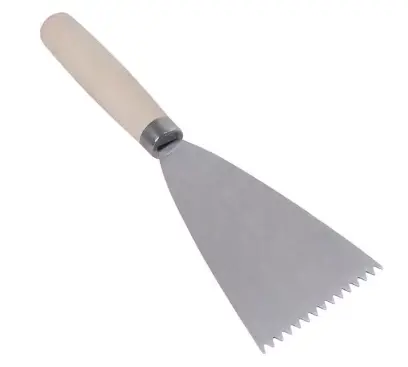
An adhesive spreader typically features a flat blade or notched edge made of plastic or metal. The user applies adhesive to the surface and then drags the spreader across it at a controlled angle. The notches create evenly spaced ridges of adhesive, ensuring proper coverage and allowing air to escape when materials are pressed into place.
The size and shape of the notches directly influence the amount of adhesive applied. This makes selecting the correct spreader critical for achieving optimal bonding performance.
Types of Adhesive Spreaders
There are several types of adhesive spreaders, each suited to specific applications:
1. Notched Adhesive Spreaders
These are the most common types. They feature V-shaped, U-shaped, or square notches that control adhesive thickness. Different notch sizes are used for materials such as vinyl flooring, ceramic tile, engineered wood, or carpet.
2. Flat-Edge Spreaders
Flat-edge spreaders distribute adhesive in a smooth, even layer without creating ridges. They are often used when a thin adhesive coat is required.
3. Plastic Adhesive Spreaders
Lightweight and cost-effective, plastic spreaders are commonly used for flooring adhesives and disposable applications.
4. Metal Adhesive Spreaders
Made from stainless steel or other durable metals, these spreaders offer greater strength and longevity for heavy-duty tasks.
Common Applications of Adhesive Spreaders
Adhesive spreaders are widely used in construction and renovation projects. Some common uses include:
-
Installing vinyl plank or sheet flooring
-
Laying ceramic or porcelain tiles
-
Applying carpet glue
-
Bonding laminate or engineered wood flooring
-
Spreading construction adhesives on panels or boards
In flooring projects, especially, consistent adhesive thickness ensures strong bonding and prevents uneven surfaces.
Importance of Notch Size Selection
One of the most critical factors when using adhesive spreaders is selecting the correct notch size. Manufacturers typically specify the recommended notch dimensions for their adhesive products. Using a notch that is too small may result in insufficient bonding, while a notch that is too large can cause adhesive overflow and material waste.
For example, vinyl flooring adhesives often require smaller V-notches, while tile adhesives may require larger square or U-shaped notches to support heavier materials.
Benefits of Using Adhesive Spreaders
Adhesive spreaders provide several advantages:
-
Even distribution: Ensures consistent adhesive coverage.
-
Improved bond strength: Proper ridges allow materials to settle and bond securely.
-
Reduced waste: Controlled application prevents overuse of adhesive.
-
Professional finish: Promotes smooth and level installations.
Using the correct spreader improves efficiency and helps meet industry installation standards.
How to Maintain Adhesive Spreaders
To extend tool life, clean adhesive spreaders immediately after use. Dried adhesive can harden and damage the notched edges, reducing accuracy. Metal spreaders may require occasional inspection to ensure the notches remain sharp and uniform.
Conclusion
So, what are adhesive spreaders? They are essential tools designed to apply adhesives across surfaces evenly, ensuring proper bonding and installation quality. Available in various notch sizes and materials, adhesive spreaders are widely used in flooring, tiling, and construction projects. By selecting the correct type and maintaining it properly, professionals and DIY users can achieve strong, reliable, and long-lasting results.
Post time: Feb-28-2026