
A ใบฉาบหรือที่เรียกว่าก มีดฉาบเป็นเครื่องมือช่างอเนกประสงค์ที่ใช้กันทั่วไปในงานพ่นสี งานก่อสร้าง และงานซ่อมแซม ได้รับการออกแบบมาเพื่อการทา กระจาย หรือขูดวัสดุต่างๆ เช่น สีโป๊ว สารตัวเติม กาว หรือสี อย่างไรก็ตาม เมื่อเวลาผ่านไป การใช้งานบ่อยครั้งอาจทำให้ขอบใบมีดทื่อ โดยเฉพาะอย่างยิ่งหากใช้ขูดพื้นผิวแข็ง สิ่งนี้ทำให้ผู้ชื่นชอบ DIY และผู้เชี่ยวชาญหลายคนตั้งคำถามว่า — ใบมีดฉาบสามารถลับให้คมได้หรือไม่? คำตอบคือใช่ ใบมีดสำหรับอุดรู สามารถ ต้องลับคมให้คมขึ้น แต่ขึ้นอยู่กับประเภทของใบมีดและวิธีที่คุณวางแผนจะใช้
ทำความเข้าใจวัตถุประสงค์ของใบมีดสำหรับอุดรู
ก่อนที่จะพูดคุยเกี่ยวกับการลับคม สิ่งสำคัญคือต้องทำความเข้าใจว่าใบมีดสำหรับอุดรูมีไว้ทำอะไร มีดสำหรับอุดรูมีสองประเภทหลัก:
- ใบมีดฉาบแบบยืดหยุ่น – มีใบมีดบางและโค้งงอได้เล็กน้อย เหมาะสำหรับการเกลี่ยวัสดุได้อย่างราบรื่น เช่น การทาข้อต่อหรืออุดรอยแตกร้าว พวกเขาไม่ต้องการความคม ในความเป็นจริง ขอบทื่อช่วยให้ได้พื้นผิวที่สม่ำเสมอโดยไม่ต้องเซาะพื้นผิว
- ใบมีดฉาบแข็ง – มีความหนาและแข็งกว่า เหมาะสำหรับขูดสี กาว หรือสีโป๊วแห้งออก คมตัดที่คมยิ่งขึ้นสามารถปรับปรุงประสิทธิภาพในงานเหล่านี้ได้ เนื่องจากช่วยให้เครื่องมือยกวัสดุได้ง่ายขึ้น
ดังนั้น แม้ว่ามีดฉาบบางประเภทไม่จำเป็นต้องลับคม แต่มีดบางประเภทโดยเฉพาะ ใบมีดฉาบแข็ง—สามารถได้รับประโยชน์จากขอบที่คมชัดยิ่งขึ้นเพื่อฟื้นฟูประสิทธิภาพ
ทำไมคุณอาจต้องการลับคม ใบฉาบ
มีดฉาบทื่อสามารถทำให้การขูดหรือทำความสะอาดพื้นผิวทำได้ยากและใช้เวลานาน ต่อไปนี้เป็นเหตุผลบางประการว่าทำไมการลับคมจึงคุ้มค่า:
- ปรับปรุงประสิทธิภาพ – ใบมีดที่คมกว่าสามารถขจัดสีเก่า กาว หรือสารประกอบที่แห้งได้อย่างมีประสิทธิภาพมากขึ้น
- ผลลัพธ์ที่สะอาดยิ่งขึ้น – เมื่อขูดพื้นผิว ขอบที่แหลมคมช่วยให้ดึงออกได้เรียบเนียนและแม่นยำยิ่งขึ้น โดยไม่ทิ้งร่องหรือรอยที่ไม่สม่ำเสมอ
- ยืดอายุเครื่องมือ – แทนที่จะทิ้งใบมีดทื่อ การลับคมกลับคืนมาได้ ช่วยให้คุณประหยัดเงินในระยะยาว
อย่างไรก็ตาม สำหรับงานเกลี่ยหรือเก็บงานละเอียด ไม่จำเป็นต้องลับคม เนื่องจากงานเหล่านั้นต้องใช้ขอบที่เรียบและทื่อ
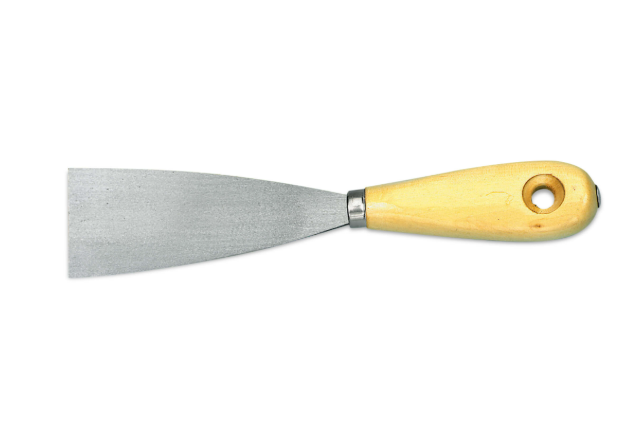
วิธีลับคมใบมีดสำหรับฉาบ
หากคุณพบว่าใบมีดฉาบของคุณจำเป็นต้องลับให้คม กระบวนการนี้ก็ง่ายและต้องใช้เพียงเครื่องมือพื้นฐานเท่านั้น ต่อไปนี้เป็นวิธีดำเนินการอย่างปลอดภัยและมีประสิทธิภาพ:
- ทำความสะอาดใบมีดก่อน
ขจัดวัสดุที่แห้ง สนิม หรือเศษต่างๆ ออกจากใบมีดโดยใช้ฝอยขัดหม้อหรือกระดาษทรายละเอียด ช่วยให้มั่นใจได้ว่าพื้นผิวที่สะอาดสำหรับการลับคม - ใช้ตะไบหรือหินลับคม
- จับใบมีดในมุมตื้น (ประมาณ 20–30 องศา) กับหินลับมีดหรือตะไบโลหะ
- ดันใบมีดไปข้างหน้าตามพื้นผิวให้เรียบและสม่ำเสมอ
- ปรับให้คมทั้งสองด้านหากจำเป็น แต่ให้ขอบโค้งมนเล็กน้อย เนื่องจากขอบที่คมเกินไปอาจทำให้เกิดความเสียหายกับพื้นผิวหรือตัวเครื่องมือได้
- เสร็จสิ้นและทดสอบ
หลังจากลับคมแล้ว ให้เช็ดใบมีดให้สะอาด และทดสอบกับพื้นที่เล็กๆ ขอบควรเรียบพอที่จะขูดได้อย่างมีประสิทธิภาพ แต่ไม่แหลมคมจนตัดเป็นไม้หรือผนังเบาได้ - ขั้นตอนเสริม: หล่อลื่น
การทาน้ำมันบางๆ สามารถป้องกันใบมีดจากสนิมได้ โดยเฉพาะอย่างยิ่งหากทำจาก เหล็กกล้าคาร์บอน.
ข้อควรพิจารณาตามวัสดุใบมีด
ประสิทธิภาพของการลับคมขึ้นอยู่กับ วัสดุ ของใบฉาบของคุณ:
- ใบมีดเหล็กกล้าคาร์บอน – ลับคมได้ง่ายและยึดขอบได้ดี แต่อาจเกิดสนิมได้หากไม่ดูแลรักษาอย่างเหมาะสม
- ใบมีดสแตนเลส - ทนต่อสนิม แต่ลับคมได้ยาก โดยปกติแล้วไม่จำเป็นต้องมีขอบคมเว้นแต่จะใช้สำหรับการขูด
- ใบมีดพลาสติก – สิ่งเหล่านี้ไม่เหมาะสำหรับการลับคม มีไว้สำหรับพื้นผิวที่บอบบางซึ่งใบมีดโลหะอาจทำให้เกิดความเสียหายได้
สำหรับเครื่องมือระดับไฮเอนด์หรือระดับมืออาชีพ มักจะคุ้มค่าที่จะลงทุนในสินค้าดีๆ ใบมีดเหล็กกล้าคาร์บอนซึ่งสามารถลับให้คมได้หลายครั้งโดยไม่สูญเสียความสมบูรณ์
เมื่อไม่ควรลับใบมีดฉาบ
ในบางกรณี การลับคมก็ไม่จำเป็นหรือเป็นผลเสียด้วยซ้ำ:
- เมื่อใบมีดอยู่ ใช้สำหรับการแพร่กระจาย แทนที่จะขูด
- ถ้าเป็นใบมีด แตก งอ หรือสึกกร่อนอย่างหนักการเปลี่ยนทดแทนมีความปลอดภัยและมีประสิทธิภาพมากขึ้น
- ถ้าเป็นก ใบมีดแบบใช้แล้วทิ้งโดยทั่วไปทำจากเหล็กหรือพลาสติกราคาประหยัด
บทสรุป
ดังนั้น ใบมีดฉาบสามารถลับให้คมได้หรือไม่? แน่นอน—โดยเฉพาะถ้าเป็นใบมีดโลหะแข็งที่ใช้ขูด การลับคมช่วยคืนฟังก์ชันการทำงาน ปรับปรุงความแม่นยำ และยืดอายุการใช้งานของเครื่องมือของคุณ อย่างไรก็ตาม มีดฉาบแบบยืดหยุ่นหรือแบบกระจายไม่จำเป็นต้องลับคม เนื่องจากขอบทื่อจะมีประสิทธิภาพมากกว่าตามวัตถุประสงค์ที่ต้องการ
ด้วยแนวทางที่ถูกต้อง การดูแลรักษาใบมีดฉาบของคุณผ่านการลับคมเป็นครั้งคราวทำให้มั่นใจได้ว่าใบมีดจะเป็นเพื่อนที่เชื่อถือได้และมีประสิทธิภาพสำหรับโครงการทาสี ปรับปรุง และซ่อมแซม ไม่ว่าคุณจะขูดสีเก่าหรือทาฟิลเลอร์ใหม่ มีดฉาบที่ได้รับการดูแลอย่างดีสามารถสร้างความแตกต่างในการได้ผลลัพธ์ที่ราบรื่นและเป็นมืออาชีพ
เวลาโพสต์: 08 พ.ย.-2025