
การเริ่มฉาบปูนครั้งแรกอาจเป็นเรื่องที่ท้าทาย และการเลือกเครื่องมือที่เหมาะสมถือเป็นสิ่งสำคัญต่อความสำเร็จ เครื่องมือที่สำคัญที่สุดอย่างหนึ่งคือเกรียงฉาบปูน การเลือก เกรียงที่ดีที่สุดสำหรับผู้เริ่มต้นฉาบปูน สามารถทำให้การเรียนรู้ง่ายขึ้น ลดความยุ่งยาก และช่วยให้บรรลุผลลัพธ์ที่ราบรื่นยิ่งขึ้น คู่มือนี้จะอธิบายว่าผู้เริ่มต้นควรมองหาอะไรในเกรียงฉาบปูน และเหตุใดคุณสมบัติบางอย่างจึงมีความสำคัญ
เหตุใดเกรียงที่ใช่จึงมีความสำคัญสำหรับมือใหม่
การฉาบปูนต้องใช้แรงดันที่ควบคุมได้ การเคลื่อนไหวที่ราบรื่น และจังหวะเวลาที่ดี เกรียงที่เลือกไม่ดีอาจรู้สึกหนัก อึดอัด และยากต่อการจัดการ ส่งผลให้ได้งานไม่เรียบและเมื่อยล้า สำหรับมือใหม่เป้าหมายคือหาเกรียงที่อภัยง่าย ควบคุมง่าย เหมาะสำหรับเทคนิคการฉาบขั้นพื้นฐาน เช่น การปู การฉาบ และการตกแต่ง
ขนาดเกรียงที่ดีที่สุดสำหรับช่างฉาบมือใหม่
ขนาดถือเป็นปัจจัยหนึ่งที่สำคัญที่สุดในการเลือกเกรียงฉาบสำหรับมือใหม่ แม้ว่าช่างฉาบปูนมืออาชีพมักจะใช้เกรียงฉาบขนาด 14 นิ้วขึ้นไป แต่ผู้เริ่มต้นมักจะได้ประโยชน์จากตัวเลือกที่มีขนาดเล็กกว่า
A เกรียง 11 นิ้ว หรือ 12 นิ้ว ถือเป็นตัวเลือกที่ดีที่สุดสำหรับผู้เริ่มต้นอย่างกว้างขวาง ขนาดเหล่านี้เบากว่าและถือง่ายกว่า ทำให้รักษาแรงกดสม่ำเสมอทั่วผนังได้ง่ายขึ้น เกรียงขนาดเล็กยังช่วยให้ผู้เริ่มต้นมุ่งเน้นไปที่เทคนิคโดยไม่ต้องลำบากในการควบคุมใบมีดขนาดใหญ่
เมื่อความมั่นใจและทักษะดีขึ้น ผู้เริ่มต้นหลายคนก็ค่อยๆ ขยับขึ้นไปใช้เกรียงขนาด 13 นิ้ว หรือ 14 นิ้ว
เหล็กกล้าไร้สนิมกับเหล็กกล้าคาร์บอน
สำหรับผู้เริ่มต้น เกรียงสแตนเลส โดยทั่วไปจะเป็นตัวเลือกที่ดีกว่า ใบมีดสแตนเลสมีความเรียบเนียนและยืดหยุ่นมากขึ้น ซึ่งช่วยลดรอยลากและทำให้ได้ผิวที่สะอาดได้ง่ายขึ้น อีกทั้งยังทนทานต่อสนิม ซึ่งหมายความว่าต้องการการบำรุงรักษาน้อยกว่า
เกรียงเหล็กกล้าคาร์บอนมีความแข็งกว่าและมักใช้สำหรับสีรองพื้น แต่สามารถมาร์กปูนปลาสเตอร์ได้ง่ายกว่า และจำเป็นต้องทำความสะอาดและทาน้ำมันเป็นประจำ สำหรับผู้ที่กำลังเรียนรู้การฉาบปูน สแตนเลสจะสะดวกกว่าและใช้งานง่ายกว่า
ความยืดหยุ่นของใบมีดและการออกแบบขอบ
ใบมีดที่ยืดหยุ่นเล็กน้อยเหมาะสำหรับช่างฉาบปูนมือใหม่ ความยืดหยุ่นช่วยให้เกรียงปรับเข้ากับพื้นผิวผนัง ช่วยให้ปูนฉาบกระจายทั่วถึงและลดสันเขา มีเกรียงสำหรับมือใหม่หลายแบบติดมาด้วย ขอบโค้งมนหรือสึกหรอแล้วซึ่งป้องกันเส้นมีคมและเซาะในปูนปลาสเตอร์
ขอบเหลี่ยมที่แหลมคมควบคุมได้ยากกว่า และเหมาะกับช่างฉาบปูนที่มีประสบการณ์มากกว่า
รับมือกับความสบายและความสมดุล
ไม่ควรมองข้ามความสบาย โดยเฉพาะสำหรับมือใหม่ที่ยังคงพัฒนาความแข็งแรงของมือและข้อมือ มองหาเกรียงที่มี ที่จับตามหลักสรีรศาสตร์ ที่จับได้พอดีมือ ด้ามจับแบบนุ่มหรือด้ามจับไม้ก๊อกช่วยลดความตึงเครียดและให้การควบคุมที่ดีขึ้นในระหว่างเซสชันที่ยาวนานขึ้น
เกรียงที่สมดุลอย่างดีทำให้ง่ายต่อการรักษาจังหวะสม่ำเสมอและแรงกดสม่ำเสมอ ซึ่งเป็นสิ่งสำคัญในการเรียนรู้เทคนิคการฉาบปูน
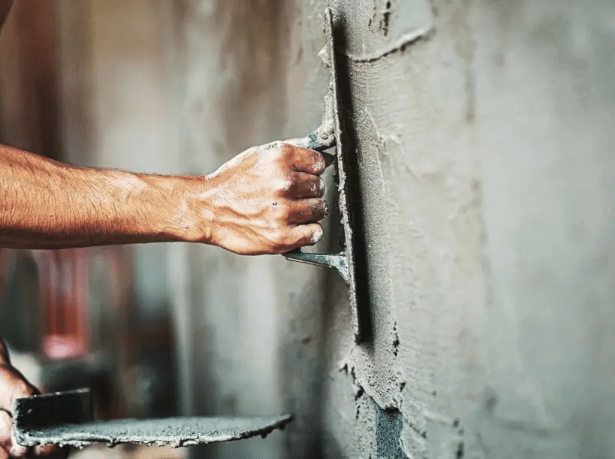
คุณสมบัติที่แนะนำสำหรับผู้เริ่มต้น
เมื่อเลือกเกรียงที่ดีที่สุดสำหรับผู้เริ่มต้นฉาบปูน ให้มองหาคุณสมบัติเหล่านี้:
-
ขนาดใบมีด 11 นิ้ว หรือ 12 นิ้ว
-
ใบมีดสแตนเลส
-
มีความยืดหยุ่นเล็กน้อยเพื่อการตกแต่งที่เรียบเนียนยิ่งขึ้น
-
ขอบโค้งมนหรือหัก
-
ที่จับตามหลักสรีรศาสตร์ที่สะดวกสบาย
คุณสมบัติเหล่านี้ช่วยให้ผู้เริ่มต้นเรียนรู้ได้เร็วขึ้นและบรรลุผลลัพธ์ที่ดีขึ้นโดยใช้ความพยายามน้อยลง
ความคิดสุดท้าย
ที่ เกรียงที่ดีที่สุดสำหรับผู้เริ่มต้นฉาบปูน เป็นสิ่งที่ให้ความสำคัญกับการควบคุม การปลอบโยน และการให้อภัย ก เกรียงฉาบสแตนเลสขนาด 11 นิ้ว หรือ 12 นิ้ว ถือเป็นจุดเริ่มต้นที่ดีเยี่ยมทำให้ช่างฉาบปูนหน้าใหม่สามารถสร้างความมั่นใจและเชี่ยวชาญเทคนิคพื้นฐานได้
เมื่อทักษะดีขึ้น การอัพเกรดเป็นเกรียงให้ใหญ่ขึ้นจะง่ายขึ้นและมีประสิทธิภาพมากขึ้น ด้วยการเริ่มต้นด้วยเกรียงสำหรับมือใหม่ที่เหมาะสม จะช่วยให้คุณได้งานฉาบเรียบยิ่งขึ้น ประสบการณ์การเรียนรู้ที่ดีขึ้น และความสำเร็จในระยะยาวในการฉาบปูน
เวลาโพสต์: 09 ม.ค. 2569